


When we invest in prevention education and resources and support families in making sustainable lifestyle choices, we lay the foundation for lasting change.

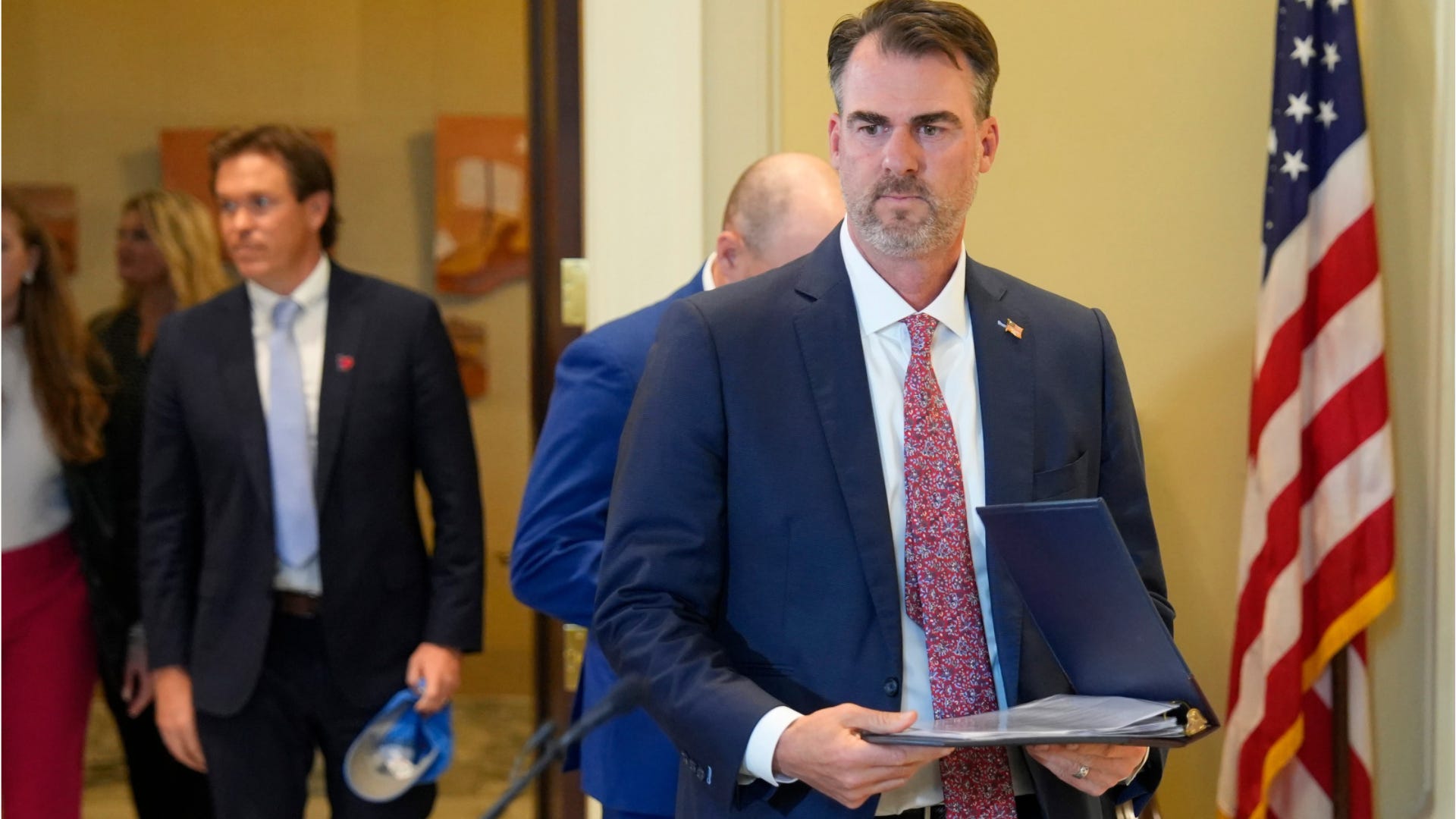


These are the new laws taking effect in Oklahoma in July
Here’s what’s changing July 1 across schools, public health and higher ed.
In medicine, we’re trained to recognize symptoms, examine patients, thoughtfully make diagnoses, and deliver effective treatment. But what if we could do more to prevent illnesses before they begin? That question shaped the trajectory of my career, and it’s a question I first learned to ask thanks to my father.
Dr. Robert Weedn spent over 50 years practicing medicine before retiring in 2020. As a surgeon, my dad saw the toll preventable diseases take on the body as he operated on many patients whose conditions were complicated by tobacco use, inactivity, poor nutrition, and chronic stress. His experience in the operating room sparked a life-long passion to help make a difference before a patient ended up on the table in front of him.
Determined to amplify prevention efforts across the state, he worked alongside the Oklahoma State Medical Association to establish the Physicians’ Campaign for a Healthier Oklahoma (PCHO) in 1999. For more than 25 years, the initiative has helped equip Oklahoma physicians with resources to help patients build healthier habits for themselves and their families beyond the exam room.
I was fortunate to witness my dad’s dedication to early intervention firsthand: I grew up attending preventive medical conferences with him and spent time working in his office, where the walls were lined with posters about tobacco cessation and nutrition, and he role-modeled physical fitness. Now, as a fifth-generation Oklahoma physician, I’m proud to carry forward his legacy of disease prevention, both in my work as a physician and as someone actively involved in championing the same PCHO initiative he helped found.
Pediatricians help children and families lead healthier lives, with particular focus on addressing childhood obesity. When left untreated, childhood obesity increases the risk for diabetes, high cholesterol, high blood pressure, heart disease and even some cancers. Fortunately, we have strong evidence that early, family-centered interventions go a long way toward improving health outcomes.
It’s important to assess not only lab results but to also review family history and evaluate multiple other risk factors that play a role in the development of chronic diseases. After a comprehensive assessment and evaluation, pediatricians collaborate with families to determine their needs, set goals, review treatment options and strategies and help establish a feasible path forward based on their circumstances. From the initial assessment to frequent follow-up visits over time, it’s key for families to see the positive impact that even small lifestyle changes — like reducing consumption of sugary drinks — can have on a person’s health.
Families are busy. Physicians are busy. That’s why we need to advocate and support avenues for physicians, communities and families to work together to encourage and establish lifelong healthy behaviors in our children. Prevention is the first step, and by providing and promoting accessible prevention and early intervention resources and trainings in doctors’ offices, communities, and in our homes, we can start to move the needle on improving the health of Oklahomans across the lifespan.
Carrying the torch my father lit decades ago is one of the greatest honors of my career, but much work is still to be done in advancing patient health, and it doesn’t belong to physicians alone. When we invest in prevention education and resources and support families in making sustainable lifestyle choices, we lay the foundation for lasting change. Together, we can build a healthier Oklahoma for generations to come.
Ashley Weedn, M.D., M.P.H., FAAP, is a board-certified pediatrician and the medical director of the Healthy Futures Clinic at OU Health in Oklahoma City. She is an associate professor in the department of pediatrics at the University of Oklahoma Health Sciences Center. She is also a member of the Oklahoma State Medical Association’s Board of Trustees and sits on its PCHO committee.
link