Measles detected in Maui wastewater samples
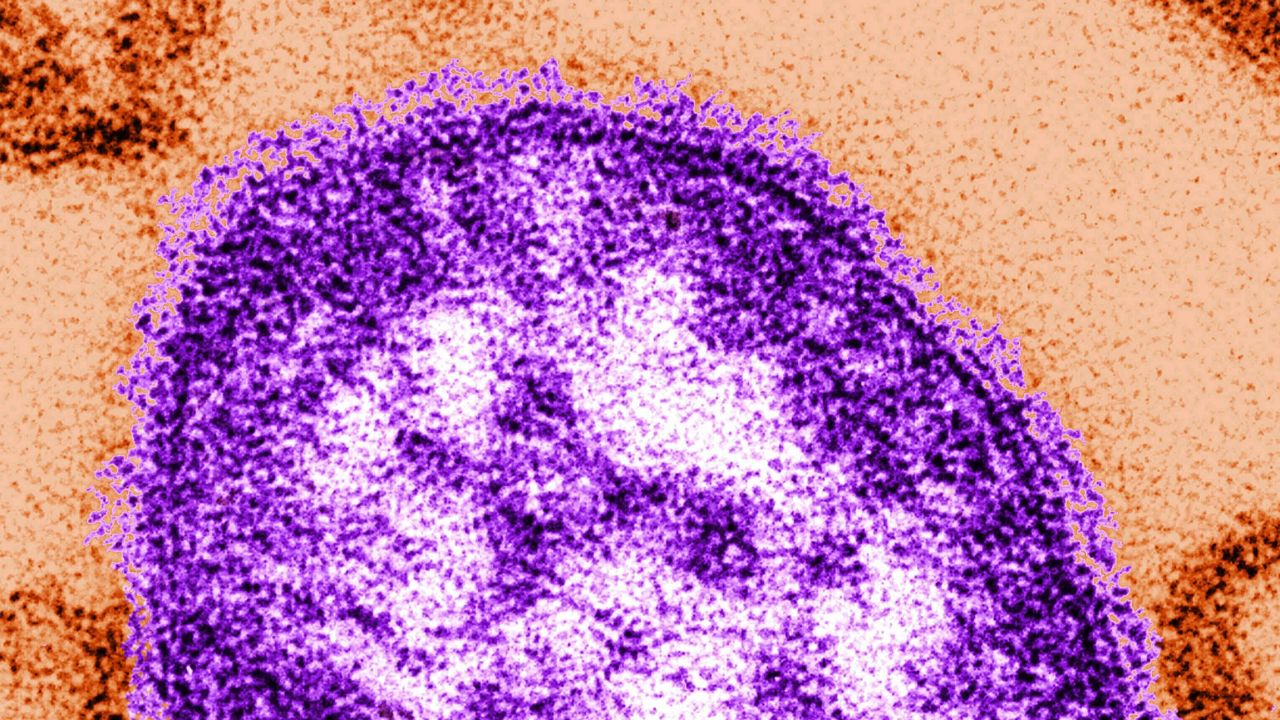
Wastewater samples collected from two sites in Central and West Maui on Nov. 18 tested positive for the measles virus, the Hawaii Department of Health announced.
This is the first-ever wastewater detection of measles in Maui County. It was detected through the CDC’s National Wastewater Surveillance System, which launched in September 2020. However, testing for measles was only added to surveillance in Hawaii this past summer.
The measles virus detected is the naturally spreading type, not the weakened one used in vaccines. DOH has found no suspected measles cases on Maui. Measles virus in wastewater doesn’t confirm a clinical case or community spread. According to the DOH, it serves as a reliable indicator to alert for measles cases since it suggests someone infected with the virus was nearby, but can’t tell us whether the virus is alive, infectious or when it was shed.
Subsequent samples are currently being tested on Maui. As part of the National Wastewater Surveillance System, DOH’s State Laboratories Division collects and tests municipal wastewater samples weekly to identify infectious diseases circulating in the community. These tests can detect viruses shed by infected individuals, even if they are not showing symptoms.
Measles spreads easily and may cause serious issues like pneumonia, brain swelling, and death, particularly in young kids and those with weak immune systems. The United States has seen a notable increase in measles cases across 43 regions during 2024-2025, according to the DOH. As of Nov. 25, 2025, there have been 1,798 confirmed cases, and three confirmed deaths associated with measles across the U.S.
Kauai’s first positive wastewater test for measles was reported to DOH in October. No one was identified as having a possible case of measles.
Hawaii Island’s first positive wastewater test for measles occurred in August. However, again, no suspected measles cases were found.
Oahu is the only island in the state with confirmed cases in 2025. Both of which occurred in April, one in an unvaccinated school-age child and a second in an adult member of the child’s family. Both patients had come back from traveling overseas right before they were diagnosed and then recovered at home.
link