Michigan’s ticks can spread disease. How to avoid them, stay safe in 2025

Are you risking Lyme disease? Here’s how to remove ticks
Are you removing ticks correctly? Here’s everything you need to know about ticks and how you can combat Lyme disease.
Just the FAQs, USA TODAY
- Ticks, potential carriers of Lyme disease, pose a risk to humans and pets in Michigan’s outdoors.
- Michigan is home to over 20 tick species, some of which transmit diseases like Lyme disease, Rocky Mountain Spotted Fever, and anaplasmosis.
- Tick season in Michigan typically spans from April to September, with peak activity when temperatures are above 40 degrees.
- Preventive measures against tick bites include staying on groomed trails, wearing light-colored clothing, and using insect repellents.
If you’re exploring Michigan’s great outdoors this season, beware of ticks — potential Lyme disease carriers that will bite both people and their pets while looking for a blood meal.
While the parasites may be small, their bite brings a risk of infectious diseases, health experts with WebMD warn. Before you head to the woods or take your pet out for an adventure this spring and summer, you need to take precautions to avoid unwanted encounters.
“Tick-borne diseases are on the rise, particularly in the spring, summer and early fall when ticks are most active, according to the Centers for Disease Control and Prevention,” the U.S. Forest Service says. “That means if you are outdoors, you need to take precautions for yourself, your family and your pets before, during and after your visit.”
Here’s what to know about ticks, diseases they carry and prevention tips.
What are ticks?
Ticks are arachnids that feed on blood to survive by biting humans and other animals, WebMD says.
What are the risks of tick bites?
Michigan is home to more than 20 tick species, and some may transmit bacteria, viruses or parasites, according to the Michigan Department of Health and Human Services. Each category of common tick types pose risks for humans and animals.
The parasites commonly spread Lyme disease, and also diseases such as Rocky Mountain Spotted Fever, deer tick virus, anaplasmosis and others.
What do ticks look like?
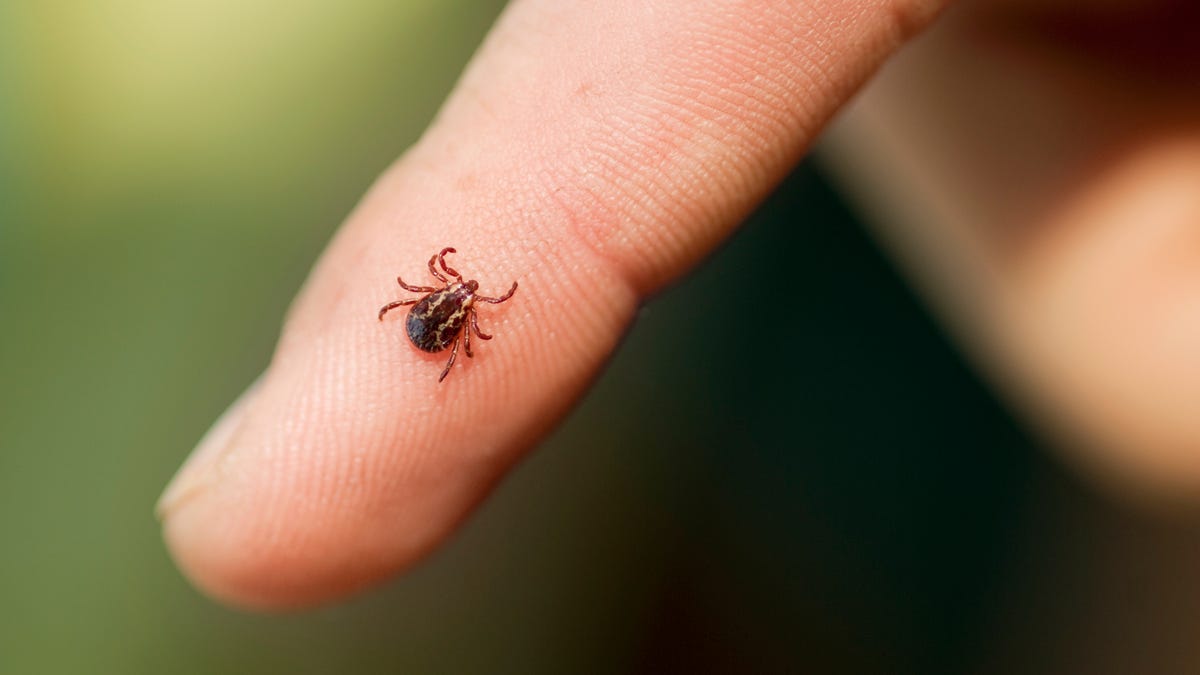
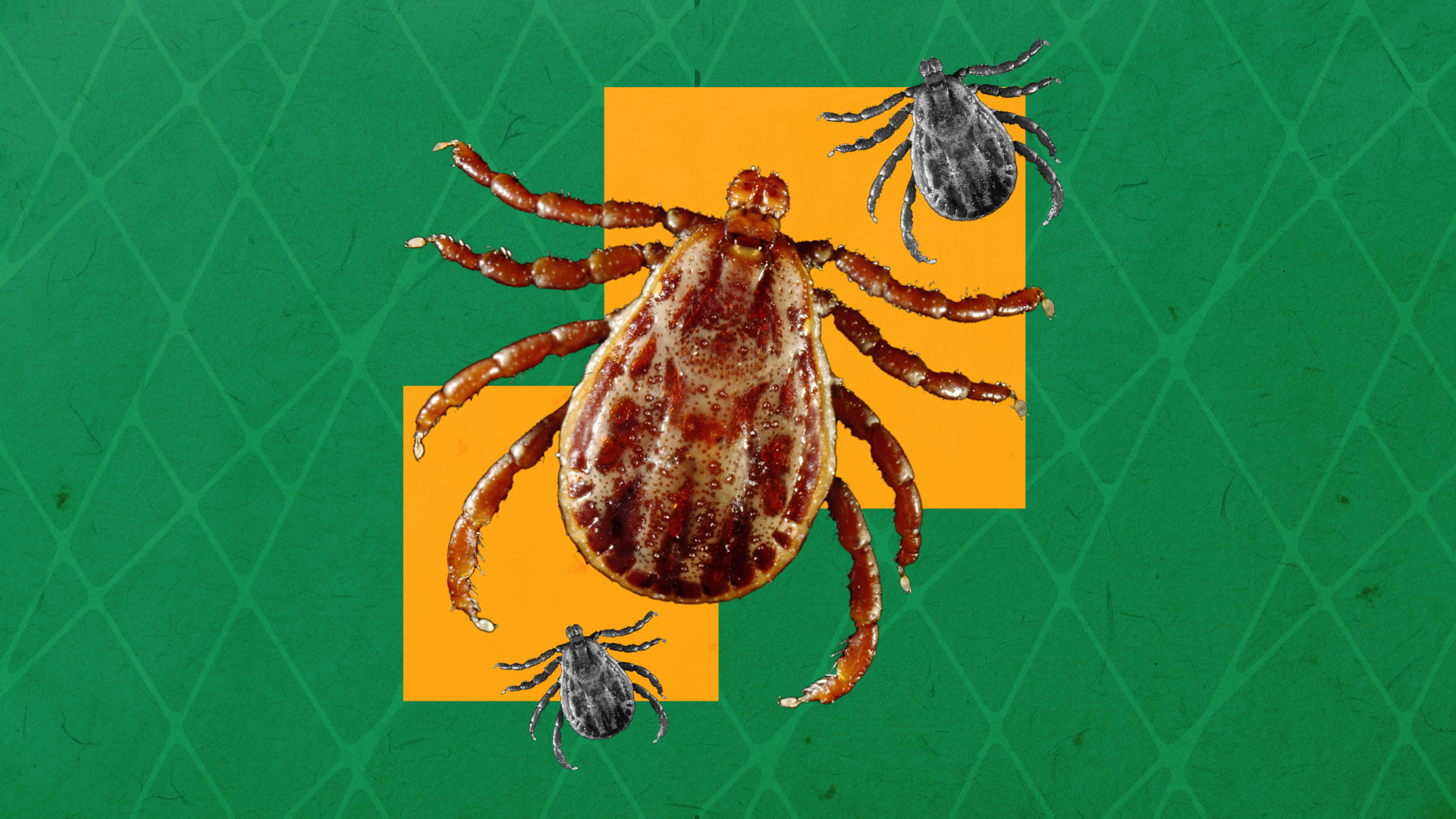
The arachnids are small, with oval-shaped bodies varying in color by species from light to dark brown to brownish-red and eight legs, WebMD says.
Ticks are related to spiders, so they have eight legs, and flat, oval bodies that swell when they eat. The largest tick may swell to the size of an apple seed after it feeds, but many ticks are much smaller than that.
When is tick season in Michigan?
Tick activity in Michigan typically starts in April and continues through September, according to McLaren, which says they are most active when temperatures are above 40 degrees. Ticks may be active throughout the winter.
“Many of us think that ticks die off in the winter after the first hard frost. Unfortunately, they do not. The adult black-legged (deer) ticks that spread Lyme disease begin their prime feeding activity just about the time of the first freeze. The reason being is that their main host animals are deer and deer are actively moving around in the fall. If deer aren’t around, blacklegged ticks will attach to people or pets anytime the weather starts getting warmer,” said F&W Pest Control, a pest company located in Massachusetts where Lyme disease is common.
What tick species live in Michigan?
Wood and deer ticks account for about 90% of ticks found in Michigan. Here are five common tick species found in Michigan, according to MDHHS:
- American dog tick: Active from May to November in Michigan forests and grassy areas.
- Blacklegged tick: Present on low forest vegetation and along human and animal trails throughout the state.
- Lone star tick: Sometimes present in wooded and grassy areas across Michigan.
- Woodchuck tick: Also known as the groundhog tick, it is often found on pets near dens of skunks and woodchucks throughout the state.
- Brown dog tick: Survives and breeds indoors, and associated with kennel, shelter and breeding facilities. Occasionally present in the state.
The Michigan Department of Health and Human Services offers a website to track tick numbers across locations and years.
9 things you can do to prevent tick bites, infection
Preventing tick bites can ensure you and your pets don’t face the risks of infection. Follow these guidelines from the CDC and Johns Hopkins Medicine to avoid ticks:
- Stay on well-groomed trails
- Avoid areas of high grass, brush and fallen leaves
- Wear light-colored clothing
- Use repellents that contain permethrin on clothing
- Remove ticks from clothing before returning indoors
- Shower soon after returning indoors
- Use insect repellents that contain DEET on your exposed skin
- Tumble dry clothes in a dryer on high heat for 10 minutes to kill ticks on dry clothing after you come indoors.
- Dogs are very susceptible to tick bites and to some tick-borne diseases. They may also bring ticks into your home. Tick collars, sprays, shampoos, or monthly “top spot” medications help protect against ticks.
What should you do if bitten?
If you or your pet get bitten by a tick, there are some steps you can take to prevent further infection.
Remove the tick with fine-tipped tweezers, grabbing the tick close to the skin, the CDC recommends. Pull the tick out with the tweezers, applying even pressure. Disinfect the bite area with hand sanitizer, rubbing alcohol or soap and water after removal.
Taking a picture of the tick before disposing of it will help your primary care physician with identification and provide appropriate treatment options if needed.
“You should follow up with your primary care physician if you develop a rash, fever, fatigue, headache, muscle pain, or joint pain and swelling within weeks after removing a tick,” McLaren Greater Lansing said. “Be prepared to tell when the tick bite occurred, where you suspect you acquired the tick, and how long you believe the tick was attached.”
Contact Jenna Prestininzi: [email protected].
link