Research highlights link between internet access and health outcomes
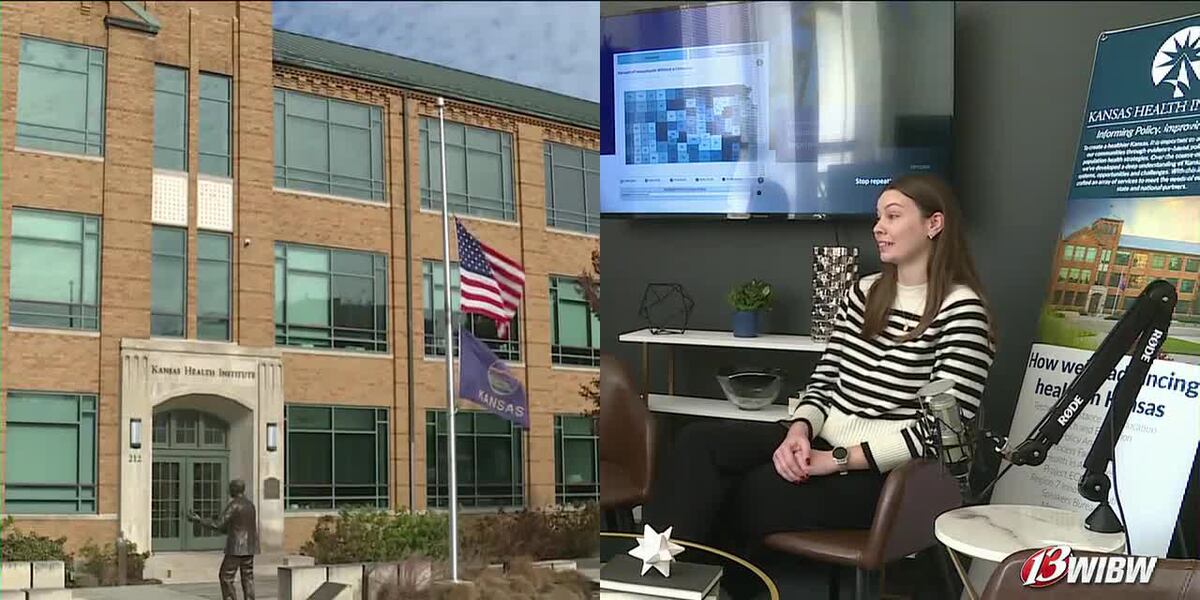
TOPEKA, Kan. (WIBW) – Poor broadband service is more than just frustrating; it can also impact health outcomes, especially for those in rural communities, according to researchers at the Kansas Health Institute.
Earlier this week, a $14 million investment was announced to improve broadband in Emporia, a step towards bringing high-speed internet to all of Kansas. However, recent data highlights that there is still considerable work to be done.
Access to quality, high-speed internet has become indispensable in the digital age. From job applications and schoolwork to essential doctor’s visits, a vast array of critical activities now take place online.
Kaci Cink, an analyst at the Kansas Health Institute, emphasizes the link between internet access and well-being.
“Those all affect our health in one way or another, so that makes it almost like a super determinant of health.”
Health outcomes are particularly vulnerable for people in rural areas. The ability to utilize telehealth services, access health portals, and communicate efficiently with doctors can make a difference, especially when there is a significant distance between a patient and the nearest medical facility.
A county-by-county assessment dashboard shows that 1 in 10 households in Kansas lacks access to broadband. There are also disparities across various demographics, including age, income, education, and location. Several counties show that 20 percent or more of their population is without broadband access.
“There are infrastructure limitations, and it can also be costly or expensive to implement some of those resources or infrastructure.”
The most recent data available for this assessment is from 2022 but researchers are nearing completion of an updated version. The new data will offer a more granular view, looking beyond just county-level statistics.
“We’re also looking at it by different geographic units. So instead of only county, we’re going to look at peer groups which look at rural vs. urban, we’re going to look at congressional districts, upper and lower chamber districts, things like that. So people can really know what’s going on in their community.”
Cink says more specific information will not only benefit communities in understanding their local situation but also lawmakers as they develop strategies to extend broadband access to every corner of the state.
“I think being able to have that more specific information helps them target certain populations and improve access there.”
Cink anticipates that the new data will be available within the next couple of months.
Copyright 2025 WIBW. All rights reserved.
link